
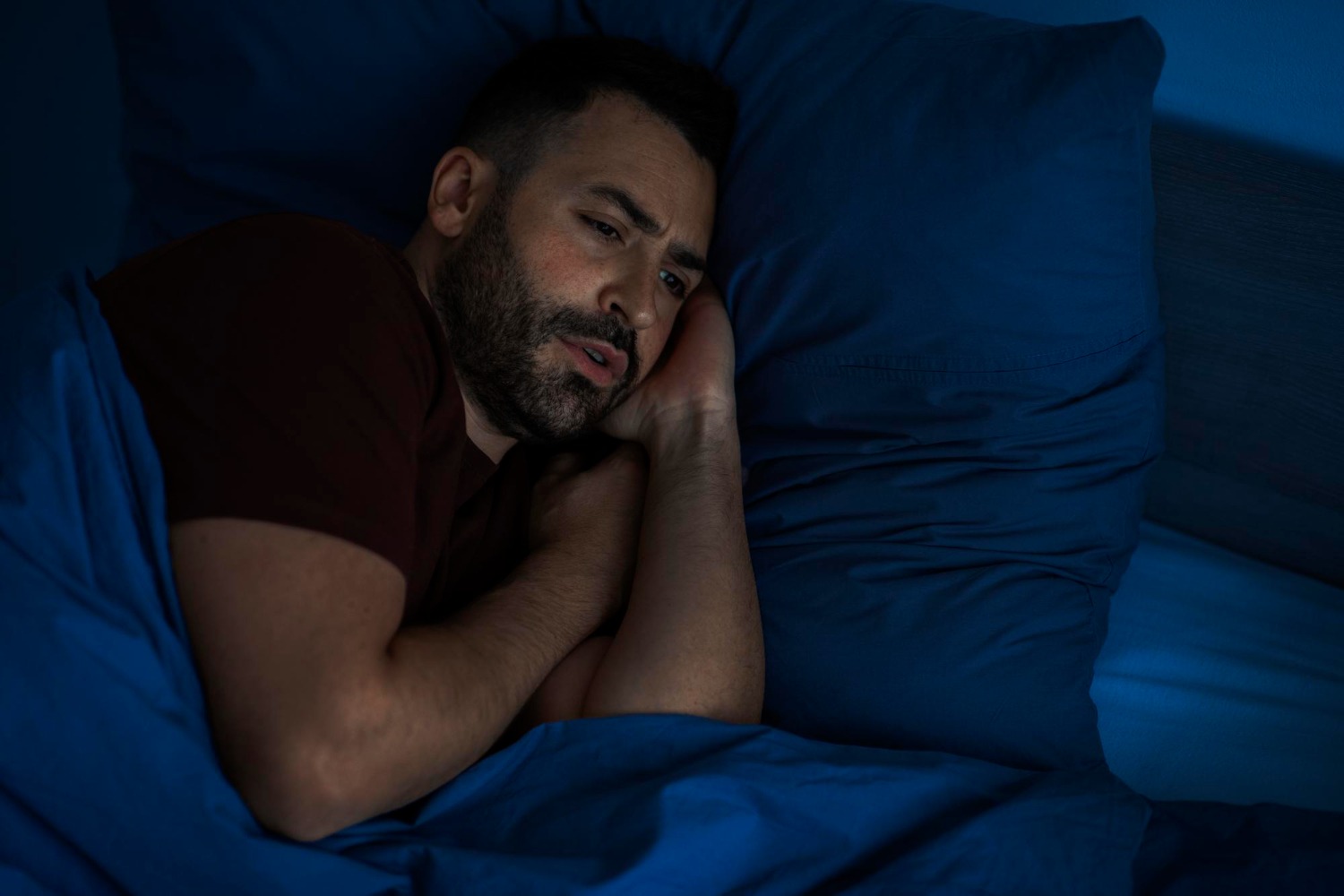
The holiday season often brings joy, connection, and celebration. But for many in Dacula, it can also mean late nights, changes in routine, and increased stress. With year-end responsibilities, family gatherings, and travel plans, it’s easy to forget the impact these changes have on sleep. When sleep suffers, mental performance starts to drop off too, making simple tasks feel harder than usual.
For those trying to balance work, family, and holiday events, poor sleep becomes more than just an inconvenience. It can lead to forgetfulness, irritability, slower reaction times, and trouble focusing. And just when you want to be most present with the people around you, your mind feels like it’s running on empty. That’s why understanding what’s disrupting your rest and learning how to fix it can help you reset and get through the season with a clearer head.
Common Causes Of Sleep Disruption During Holidays
Holidays seem like a time to unwind, but they often come wrapped in hectic schedules and extra demands. All these changes pile up and end up messing with your body’s natural rhythm. One of the biggest challenges is the lack of routine.
Here are some reasons sleep can get off track around the holidays:
1. Irregular sleep hours: Late-night parties, travel, and binge-watching holiday movies can push back your bedtime and throw off your internal clock. When your sleep-wake cycle shifts, it becomes harder to fall asleep or wake up refreshed.
2. Increased stress: Planning gatherings, budgeting for gifts, and juggling work deadlines often lead to racing thoughts at night. An overstimulated mind can make it tough to settle down and get restful sleep.
3. Changes in diet: Holiday meals tend to include more sugars, caffeine, and alcohol. These types of food and drink can keep your body alert when it should be winding down, especially if consumed too close to bedtime.
4. Overloaded schedules: Squeezing in social events back-to-back, hosting family, and handling errands can leave you mentally drained but physically restless. The body might feel tired, but the mind stays wired.
It’s easy to think that poor sleep is just part of the holiday routine, but running on low energy day after day catches up fast. Getting to the cause of your sleep shifts now can protect your focus and mood heading into the new year.
Effects Of Poor Sleep On Mental Performance
When your sleep quality drops, it doesn’t just leave you groggy in the morning. It also interferes with how well your brain works through the day. You may find it harder to stay alert during meetings, remember everything on your to-do list, or make decisions that usually feel simple.
Lack of sleep interferes with two big areas of mental performance: memory and focus. Imagine trying to have a deep conversation at a holiday dinner while your brain keeps short-circuiting. You may forget words mid-sentence or repeat stories. That mental fog is a direct result of sleep loss.
People in Dacula juggling daily responsibilities often feel this sharp drop in clarity. Whether you’re running errands, at work, or managing kids at home, it’s hard to function clearly when your sleep is off. Even small decisions, like choosing what to cook or remembering where the car keys are, can become annoying roadblocks.
Getting improved sleep in Dacula during the holiday season can help you regain sharper thinking again. Better sleep supports faster recall, better mood regulation, and more productive days. Once your brain gets a chance to rest and reset, you’ll also find it easier to handle tricky situations and stay grounded even when things get hectic.
Holistic Approaches For Improving Sleep Quality
Good sleep starts long before your head hits the pillow. During the holidays, staying mindful of your habits can make a real difference in how rested you feel. One approach that helps many people is building a steady routine, even when the calendar gets busy. That means keeping a regular bedtime and wake-up time as much as possible, even on weekends or after social events. When your body knows what to expect, it responds by settling into sleep more easily.
A quiet wind-down routine also helps your nervous system shift into sleep mode. Think of it like dimming the lights at the end of a performance. Small cues tell your brain it’s time to relax. You might try a few minutes of deep breathing, listening to calm music, or even reading something light instead of scrolling through your phone. Blue light from screens can signal your brain to stay alert, so switching them off an hour before bed is a good call.
Environmental changes can also support better rest. Create a space that feels peaceful and isn’t too warm. Cooler, darker rooms are one of the easiest ways to tell your body it’s bedtime. If outside noise is an issue, try white noise or a fan to block it out. And if your mind keeps racing when it’s time to sleep, it helps to keep a notepad next to your bed. Jotting down lingering thoughts or next-day tasks gives your brain permission to relax, knowing it won’t forget anything important.
Holistic support can also come from sessions that rebalance energy or promote full-body relaxation. These types of approaches work gently with your body’s natural systems. By helping ease stress and tension, they create an environment where improved sleep in Dacula becomes more likely, especially during high-pressure seasons like the holidays.
Practical Tips For Better Sleep During Holidays
You don’t need to overhaul your whole life to sleep better. Small changes can pave the way for steadier rest. Building habits one step at a time helps keep everything manageable, even while schedules shift.
Try these tips to get started:
1. Stick to a consistent bedtime, even when your day’s packed. It trains your body to sleep and wake more easily.
2. Limit caffeine and alcohol in the evenings, especially if you’ve had a big meal. They can mess with how deeply you sleep.
3. Keep naps short and earlier in the day. Power naps are fine, but long ones close to bedtime may keep you up later.
4. Avoid cramming your evenings with too many tasks. Leaving a little space to unwind helps your brain ease into sleep mode.
5. Take short walks or get natural sunlight in the morning if possible. Light exposure early in the day supports your circadian rhythm.
6. Use comfier sheets or swap out heavy bedding if it’s making you too warm. Small comforts can go a long way.
Even one or two of these can start laying the groundwork for better rest. Think of them as tools, not chores. Each little effort can reduce the pressure your body and brain feel when the holidays ramp up.
Make Restful Holidays Part of Your Routine
Better sleep doesn’t just help you feel less tired. It gives your brain and body the strength to move through long days with more ease. Shorter nights and longer to-do lists don’t have to control your energy. The goal isn’t perfection, it’s progress. Noticing patterns, adjusting your environment, and slowing down before bed all work together to build healthier rhythms that carry into the new year.
When you aim for improved sleep in Dacula during the holiday stretch, you’re doing more than catching rest. You’re giving yourself space to show up calm, alert, and present no matter how full your calendar looks. Whether it’s through routines, holistic support, or simply making smarter choices around bedtime, every small step counts.
To keep your energy steady and your mind clear through the holiday season, it’s important to prioritize restful nights. At Spherical Wellness, we’re here to help you approach this time of year with more ease. Learn how improved sleep in Dacula can support your focus, mood, and overall well-being as you move through the weeks ahead.